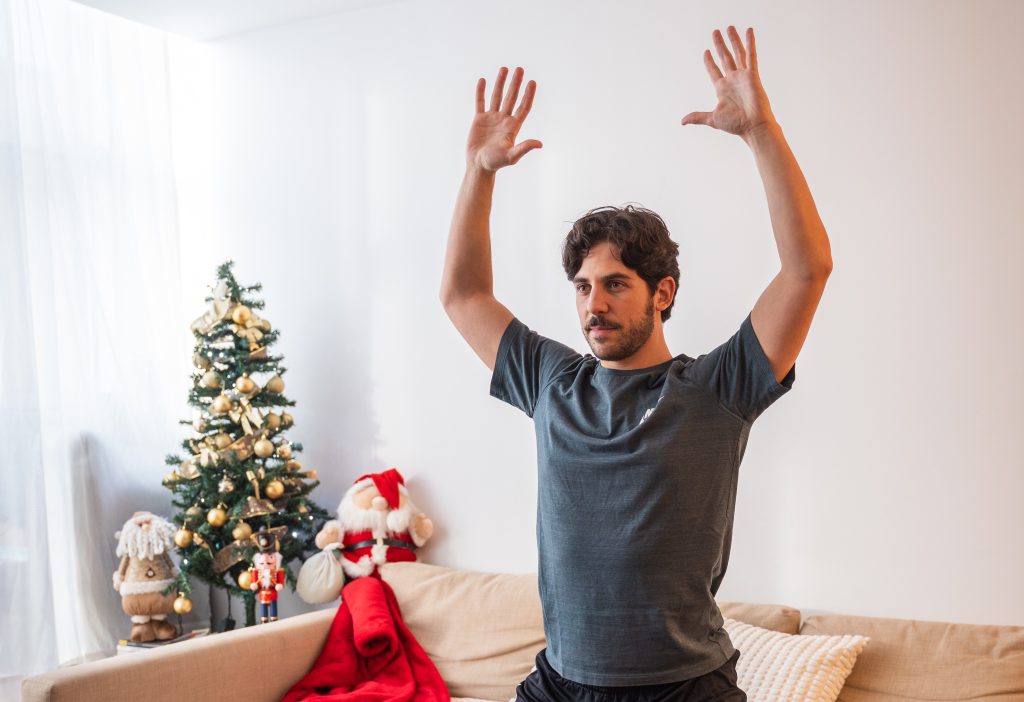

Cardio exercises consume more calories, as they require more effort from the heart; however, it is essential to keep in mind the importance of building muscle mass to lose weight. Strength training is necessary not only for gaining resistance but also for reducing the risk of injuries and promoting a better quality of sleep.
Is cardio the way to go?
Unconsciously, we think that by sweating more, we lose more weight, which is not necessarily true. Sweating has nothing to do with eliminating fat, but with regulating body temperature.
Cardio exercises indeed consume more calories, as they require more effort from the heart; however, it is essential to keep in mind the importance of building muscle mass to lose weight.
Strength training is essential not only for gaining resistance but also for reducing the risk of injuries and promoting a better quality of sleep.

So, what are the best exercises to lose weight, for good?
Slow and steady wins the race
On average, we consume around 300 to 600 calories in a 30-minute training session. If you’re just starting, choose activities with low impact to adapt your body to the exercise and progress to something more challenging. Start exercising for at least 150 minutes of moderate-intensity cardiovascular activity or 75 minutes of vigorous activity per week. Activities such as brisk walking, jogging, running, cycling, swimming, dancing, and aerobics classes or ergometers, like the treadmill, elliptical, and rowing, are all good options.
High-Intensity Interval Training (HIIT)
This is a type of cardiovascular training with an extremely vigorous intensity that involves short periods of high-intensity exercise (between 30 and 90 seconds), followed by periods of rest or light activities, with the same duration. It burns a lot of calories and increases metabolism, even after just finishing the session. Jumping rope, squats, sprints, and burpees are examples of HIIT exercises.
Strength training
This type of training is essential for losing weight and building muscle mass (lean), since it increases the basal metabolic rate, allowing us to burn more calories at rest. Exercise large muscle groups by doing squats, push-ups, or pull-ups, using either the weight of the body or using cables, bars, dumbbells, and even resistance bands, at least twice a week. High-volume training with low intensity, good technique, and preparation of muscles and joints is important to minimize post-workout muscle pain.
Circuit
Ideal for those who don’t like monotony, it involves a series of exercises with minimal rest between them, keeping your heart rate elevated while combining strength and cardiovascular exercises. This type of training is demanding, but efficient in reducing fat mass and increasing muscular resistance. It’s important to remember that exercising is just one of the components of losing weight. It is essential to combine it with a healthy and nutritious diet to get the best results.
The content of this article is for informational purposes only and reflects the personal opinions of the authors. It’s not intended to replace professional advice, whether nutritional or otherwise. Before making any decisions based on what you read here, we recommend consulting with a qualified expert in the relevant field.