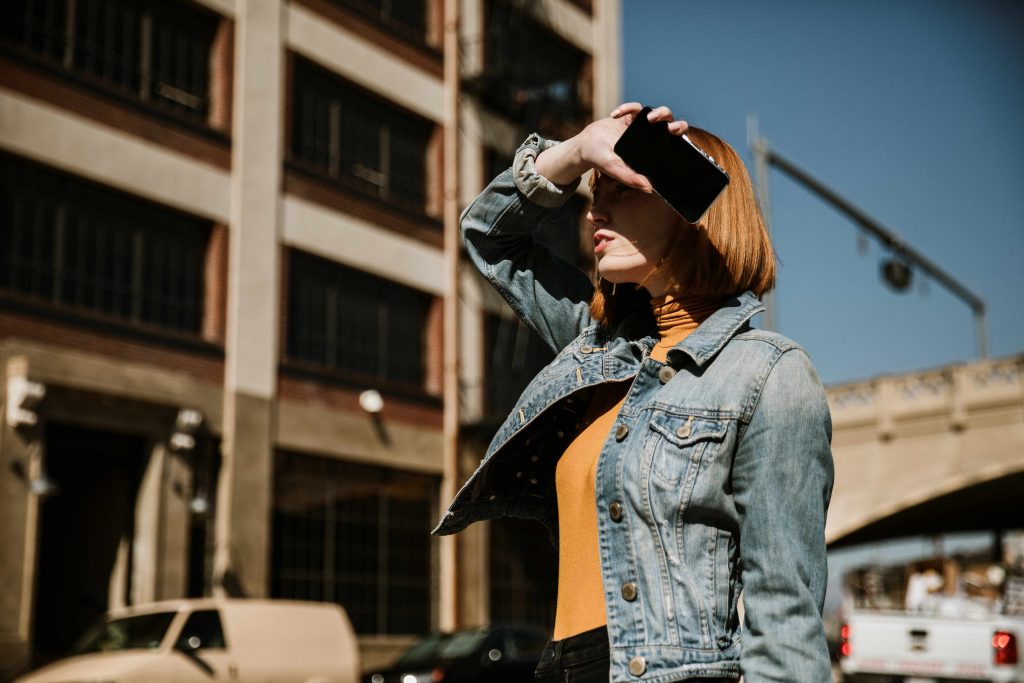
Is your head always racing? Thinking about the tasks you have to do next, or do you just feel bad about not doing anything?
You may suffer from anxiety!
Physical exercise can be a good ally to minimize symptoms, and/or even prevent the problem from progressing to depressive states.
What is anxiety?
Anxiety is a complex emotional state, which can manifest itself both physically and mentally.
It is characterized by feelings of tension, worry, and insecurity. This emotional state is not dangerous if it is punctual, that is, such as if you have an important presentation to give or a final exam. These situations cause our level of anxiety to increase in the face of the event, and it is perfectly natural.
When we are anxious, we naturally feel physical changes such as an increase in heart rate or chills.
However, there are symptoms that we need to pay attention to, if the situation persists.

Symptoms
A person in a permanent state of anxiety presents several symptoms such as:
difficulty falling asleep;
high blood pressure;
muscle stiffness;
frequent headaches;
excessive worries;
tremors or lack of control over thoughts.
These symptoms do not apply to everyone, because each person is different, and they can manifest themselves differently.
Physical Exercise in Anxiety
Stress and Sleep
Being a physically active person has nothing but advantages.
In addition to the well-documented physical health benefits, if you suffer from anxiety, exercise will help reduce stress, and the pressures of everyday life, as well as helping you to substantially improve your quality of sleep.
Sleep, which is often undervalued, plays one of the most important roles in regulating emotions and, consequently, anxiety.
Balance Wellbeing Hormones
Exercising is also responsible for the release of hormones such as endorphins, which help relieve pain, reduce stress, and promote a feeling of well-being. It also improves levels of serotonin, a hormone responsible for mood and relaxation, and noradrenaline, which influences anxiety, mood, eating, and sleeping; relevant hormones in the management of anxiety.
Focus on the Present
Exercise can also serve as a positive distraction from worries and anxious thoughts.
Being focused on an activity makes you connected to the present, focused on the moment, and can help minimize, and even stop, negative thoughts. Physical exercise is as effective in reducing anxiety and depression as psychotherapeutic and pharmacological treatments, having the advantage of being healthier and more economical.
Where do you start?
According to the recommendations of the American College of Sports Medicine, it is important to perform 150 minutes of moderate-intensity aerobic physical activity or 75 minutes of vigorous-intensity per week (If it seems like a lot, just think about just 30 minutes a day).
You can go for walks (at a fast pace) outdoors, or another activity that you identify with and enjoy, for example playing ball, dancing, cycling, and swimming, among others.
It is important to complement this with strength and flexibility training, at least twice a week. You can try our Strength and Flexibility program performed with just body weight and adapted for those just starting.
To start feeling the effects, you need to follow a program between 4 to 20 weeks, and the longer the duration of exercise, the greater the beneficial effects. Prefer weekly frequency rather than daily duration.
It is important to note that anxiety is a subjective experience, and can be influenced by numerous factors, including cultural differences and individual perceptions.
If your anxiety is recurrent or is beyond your control, it is advisable to consult an ERAKULIS mental health professional so that you can have an accurate diagnosis and treatment recommendations that suit your needs.
Don’t be afraid of asking for help, at ERAKULIS we treat all our members with care and professional secrecy.
The content of this article is for informational purposes only and reflects the personal opinions of the authors. It’s not intended to replace professional advice, whether nutritional or otherwise. Before making any decisions based on what you read here, we recommend consulting with a qualified expert in the relevant field.